How to Utilise Generative AI for Marketing Success
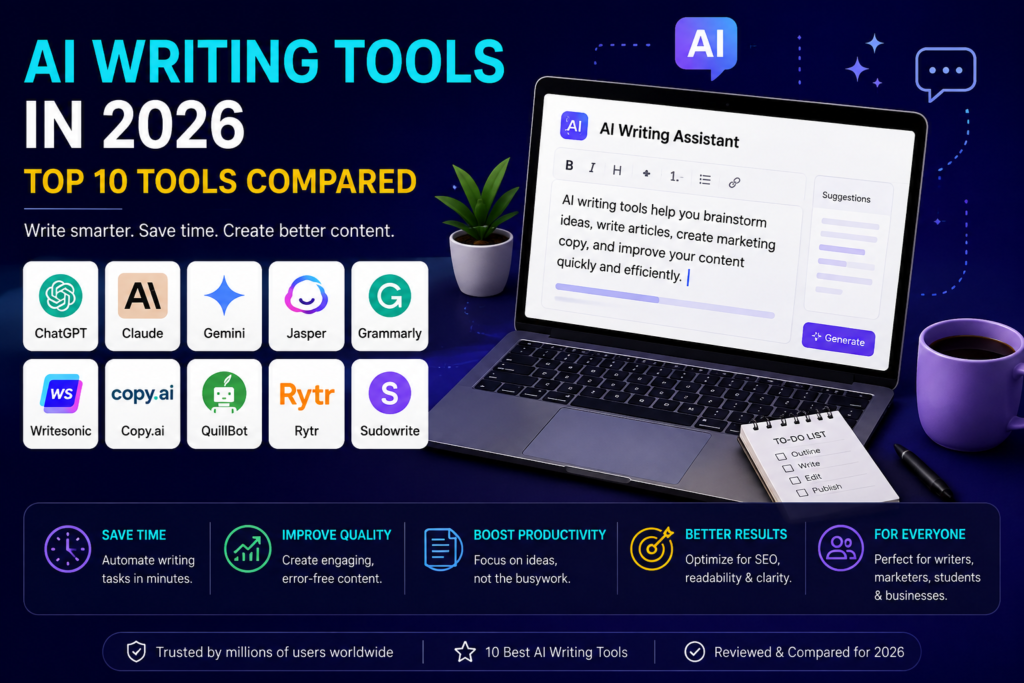
Comparing the Generative AI Tools of 2026
140+ language avatars: Natural lip-sync in over 140 languages without separate translation or voice recordingCustom avatars: Create a customized AI presenter from your own video footageBranching video: Interactive videos where audiences navigate their own content course (2026 function)Template library: Pre-built video templates for training, product explainer, and onboarding formatsScreen recording integration: Integrate avatar video with screen capture for software tutorial material Pros: Finest multilingual avatar video, 140+ languages, interactive branching video, custom avatar development, no cam or studio requiredCons: Avatar discussion might feel less appealing than real-person video, totally free strategy limited to 3 watermarked videos, no material repurposing functions Free strategy (3 watermarked videos).
Image from ChatGPTChatGPT is the most flexible finest AI tools for content production 2026, covering ideation, drafting, research, image generation, and code in a single multi-modal user interface that 43% of marketers now use as their main content assistant. ChatGPT is the universal starting point for best AI tools for content creation 2026 and the most extensively adopted AI material development tool worldwide.
How to Utilise AI Tools for Marketing Success
Plus, at $20/month (greater limitations). Pro at $200/month (prolonged limits). Team and Enterprise plans readily available. AI content tools minimize production time by 60 to 80% on repeatable formats and make it possible for private developers to produce content volumes formerly requiring full teams. They lower the cost per piece and produce consistency across high-volume output.
According to Simular's seven-tool ROI measurement, these 3 usage cases account for 70% of the time cost savings measured across all tested platforms. SpeedVolume scalabilityConsistencyCost decrease AI content tools produce generic output without strong prompts and human modifying, can not change first-hand experience or original research, and create legal and accuracy threats when published without evaluation.

, AI speeds up preparing and scales output, however human editing stays the quality and originality layer. Pure AI content with no human review regularly scores poorly on E-E-A-T requirements.